Few shows have influenced modern aesthetics quite like Euphoria. Known for its bold visuals, experimental makeup, and emotionally charged storytelling, the series didn’t just capture attention—it redefined how television looks and feels. Now, as it evolves, so does its visual identity.
From the beginning, Euphoria stood apart with its cinematic lighting, glitter-infused makeup, and raw, hyper-stylized portrayal of youth. Characters became visual statements, with every look reflecting mood, chaos, or transformation. That signature style, largely shaped by creator Sam Levinson, turned beauty and fashion into storytelling tools rather than mere aesthetics.
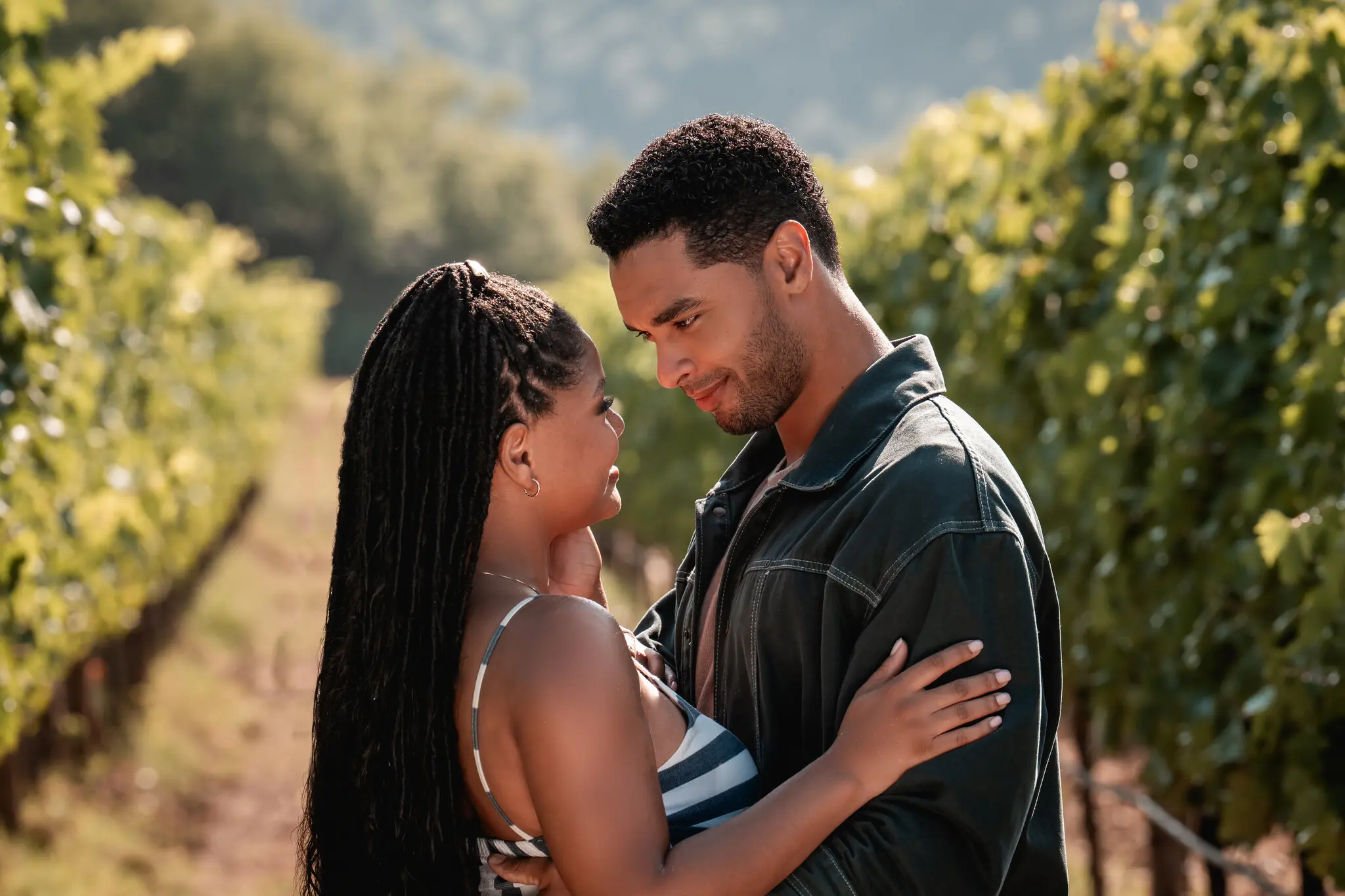
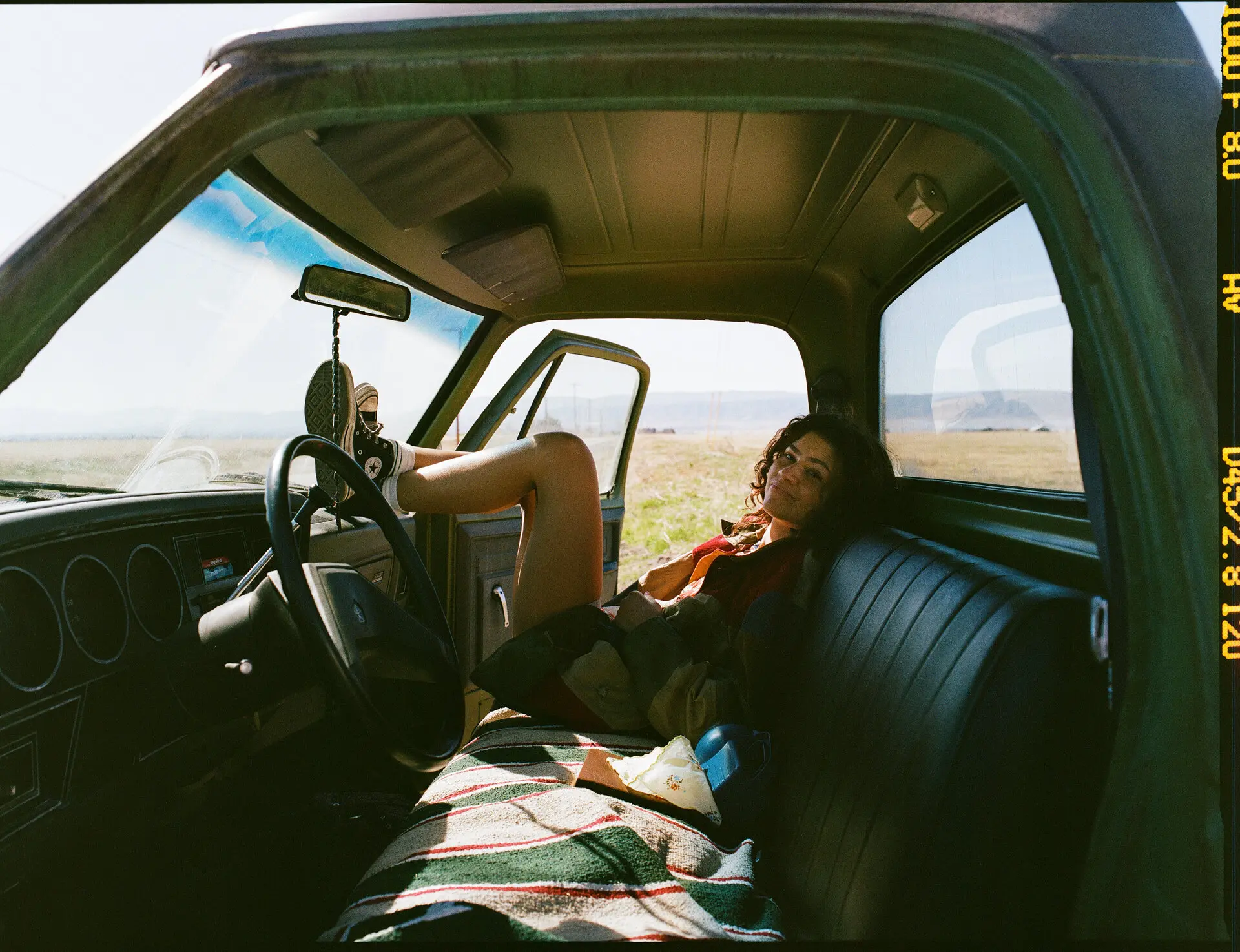
But the “new look” signals a shift. There’s a noticeable move toward maturity—less overt sparkle, more refinement. The palette feels deeper, more controlled, mirroring the characters’ emotional progression. Makeup appears subtler yet intentional, while wardrobe choices lean into structured silhouettes and elevated basics, suggesting a transition from adolescence to early adulthood.
This evolution isn’t about abandoning what made the show iconic—it’s about refining it. The rawness remains, but it’s now layered with restraint and purpose. It reflects a broader cultural movement as well, where maximalism is giving way to curated expression.
Behind the scenes, the creative team continues to push boundaries, experimenting with lighting techniques, textures, and color grading to maintain that immersive atmosphere. The result is a visual language that feels both familiar and refreshed.
In shaping its new look, Euphoria proves that style, like its characters, must evolve. And in doing so, it continues to set the tone for how fashion, beauty, and storytelling intersect in modern pop culture.