
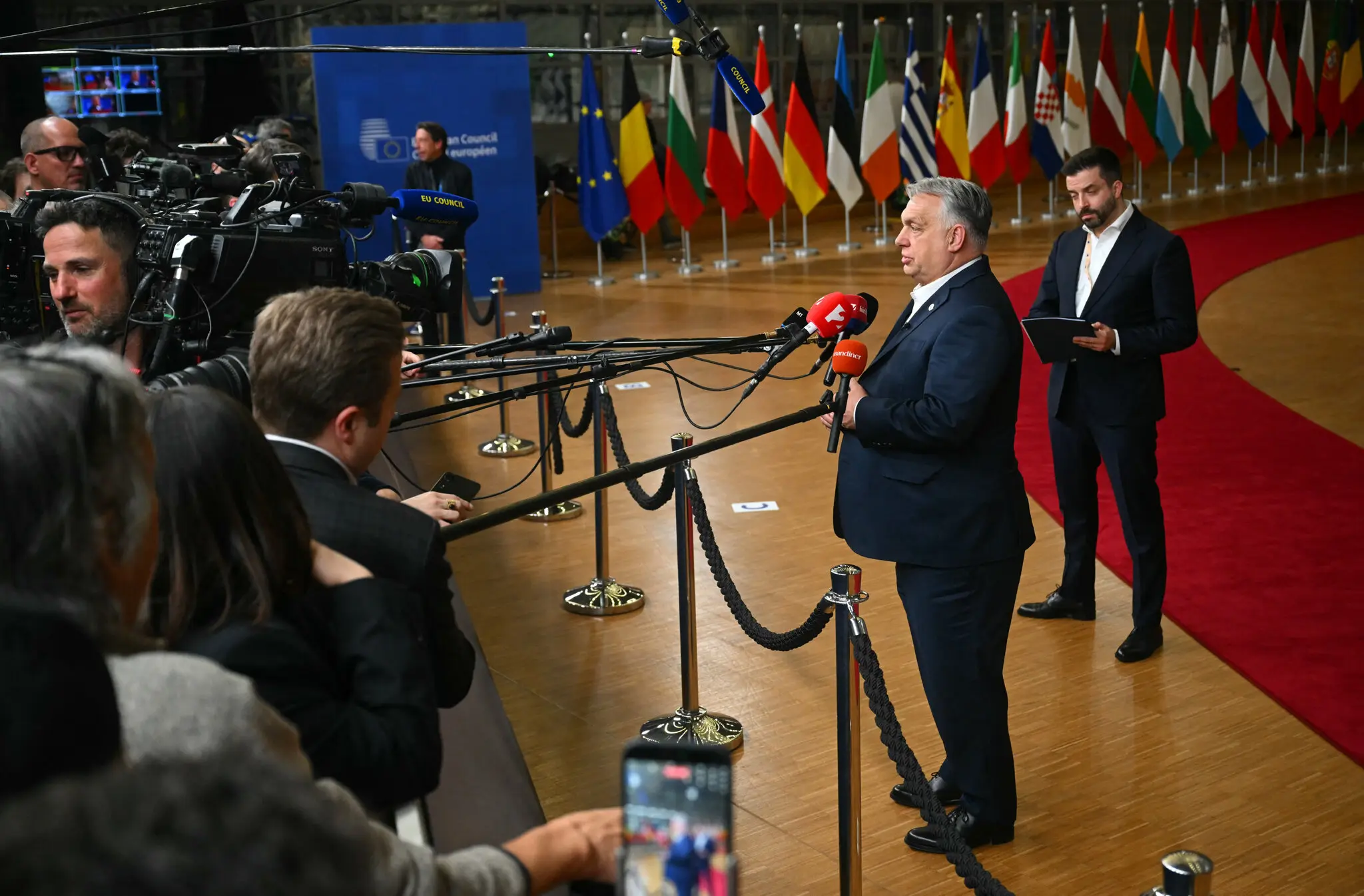
Few European leaders have left as distinct an imprint on the political fabric of the European Union as Viktor Orbán. For over a decade, he has positioned himself as both an insider and a challenger—reshaping debates around sovereignty, migration, and the balance of power within European Union institutions.
Orbán’s influence in Brussels has often been defined by resistance. He has consistently pushed back against deeper integration, advocating instead for a Europe of strong, independent nation-states. His stance on migration, particularly during the 2015 crisis, set a tone that resonated beyond Hungary, emboldening like-minded leaders and parties across the continent.
Even without him in office, the ideas he championed are unlikely to disappear. Across Europe, a growing number of political movements echo his priorities—border control, cultural identity, and skepticism toward centralized EU authority. These currents have already shifted policy conversations in Brussels, forcing mainstream leaders to adapt their language and, at times, their positions.
However, legacy in politics is rarely linear. Orbán’s approach has also drawn criticism, particularly over rule-of-law concerns and tensions with EU institutions. Without his direct presence, the cohesion of his ideological allies may weaken, and Brussels could attempt to reassert a more unified vision.
Yet influence is not solely tied to office. Orbán has helped redefine the boundaries of debate within the European Union. He transformed once-fringe positions into central talking points, ensuring that even his opponents must engage with his ideas.
In that sense, his legacy may endure not through power, but through perspective—woven into the ongoing evolution of Europe’s political identity.

Hi, this is a comment.
To get started with moderating, editing, and deleting comments, please visit the Comments screen in the dashboard.
Commenter avatars come from Gravatar.